Causes of the Revolution
There were many causes of the Haitian Revolution, but the primary one was the horrible treatment and awful conditions of slavery, which was wide spread on the island. The rebels were inspired by the French Revolution, which was unprecedented in its own right.
Underlying Factors
Independence
Those who rebelled wanted Haiti to be its own independent country, free from colonial rule. The colonial rule had led to significant social inequities, and propped up the institution of slavery, allowing it to continue unopposed. A goal of the rebellion was to dismantle the unjust social higherarchy. At the top of the hierarchy were the Grands Blancs, the white ultra rich, consisting of land owners and top tier merchants. Next were the Petits Blancs, a much smaller group comprised of white craftmen and overseers. They were followed by the Affranchis, free people of color, including those of mixed race. While they were free and had some wealth they did not have the privilieges or power of the Grands Blancs. The slaves viewed them as traitors, as many owned slaves. The enslaved people were of course the bottom of the system. The rebels were enraged at the wealthy people in charge because not only did they profit off the enslavement of others but they also were the embodiement of the tyranny of colonial rule.
The harsh, abusive and despicable conditions of slavery
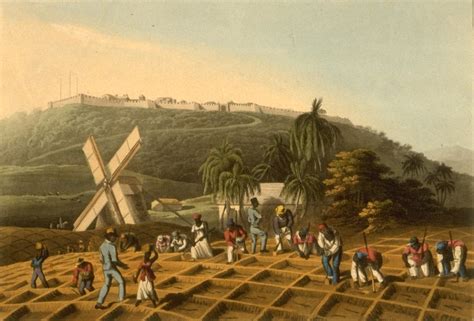
One of the main goals of the Haitian revolution was to end slavery. The harsh conditions of slavery, and the treatment of people as sub-human drove this rebellion. The slaves mainly grew sugar but were also foced to mine silver and gold which was a death sentance. Growing sugar was one of the most harrowing cash crops as it required massive amounts of labor and a refining process that was toxic and treacherous to humans. The revolution, at its heart, was a slave rebellion.
The French Revolution and Enlightenment Ideals
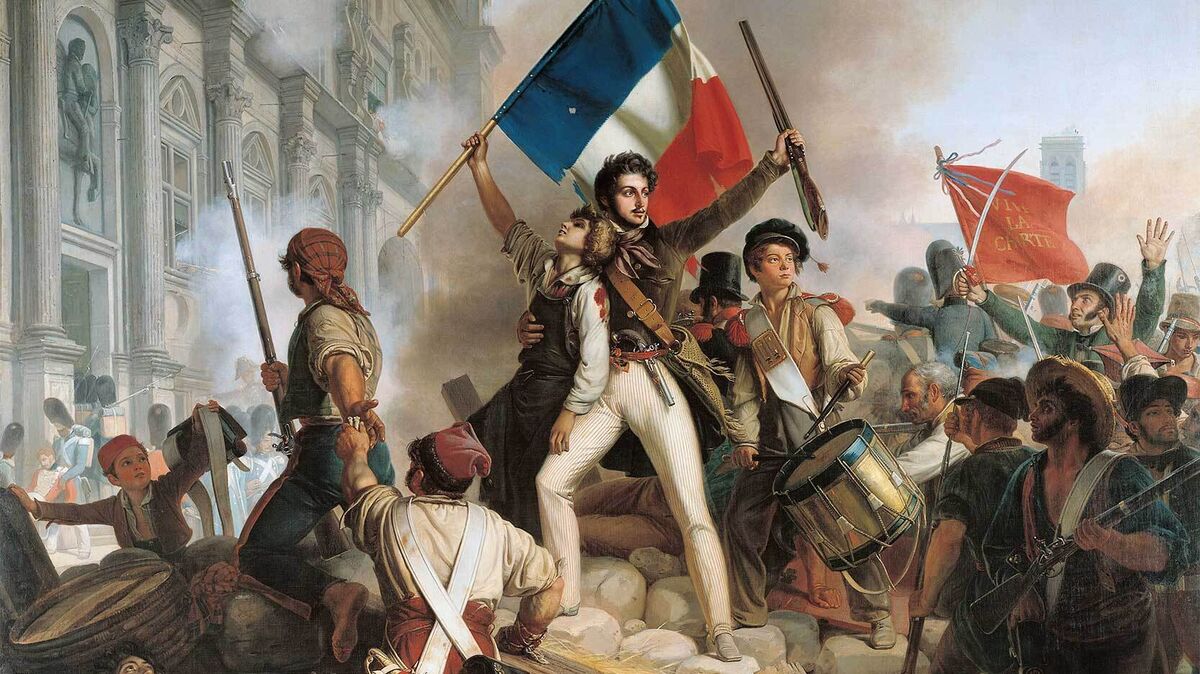
Galvanized by the French Revolution, documents such as the Declaration of the Rights of Man and of the Citizen, and the ideals of the Enlightenment, the rebels sought to create a more egalitarian society. The revolt reflected the principal that power originates from the consent of the people and as such the people have the right to abolish abusive goverments. The goal was to completely change the system much like the French sought to do during the French Revolution, rather than focusing on one issue at a time, in the way the American Revolution attemped to fix economic issues.
Long-Term Tensions
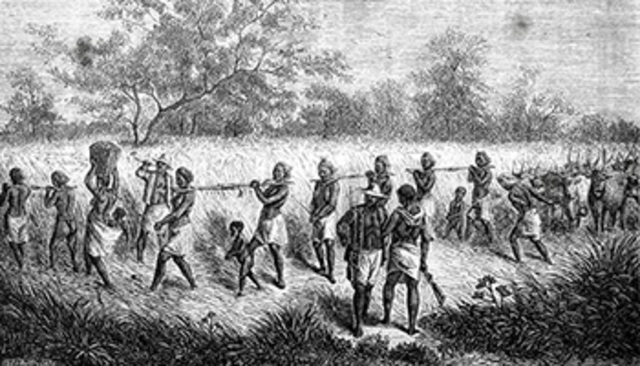
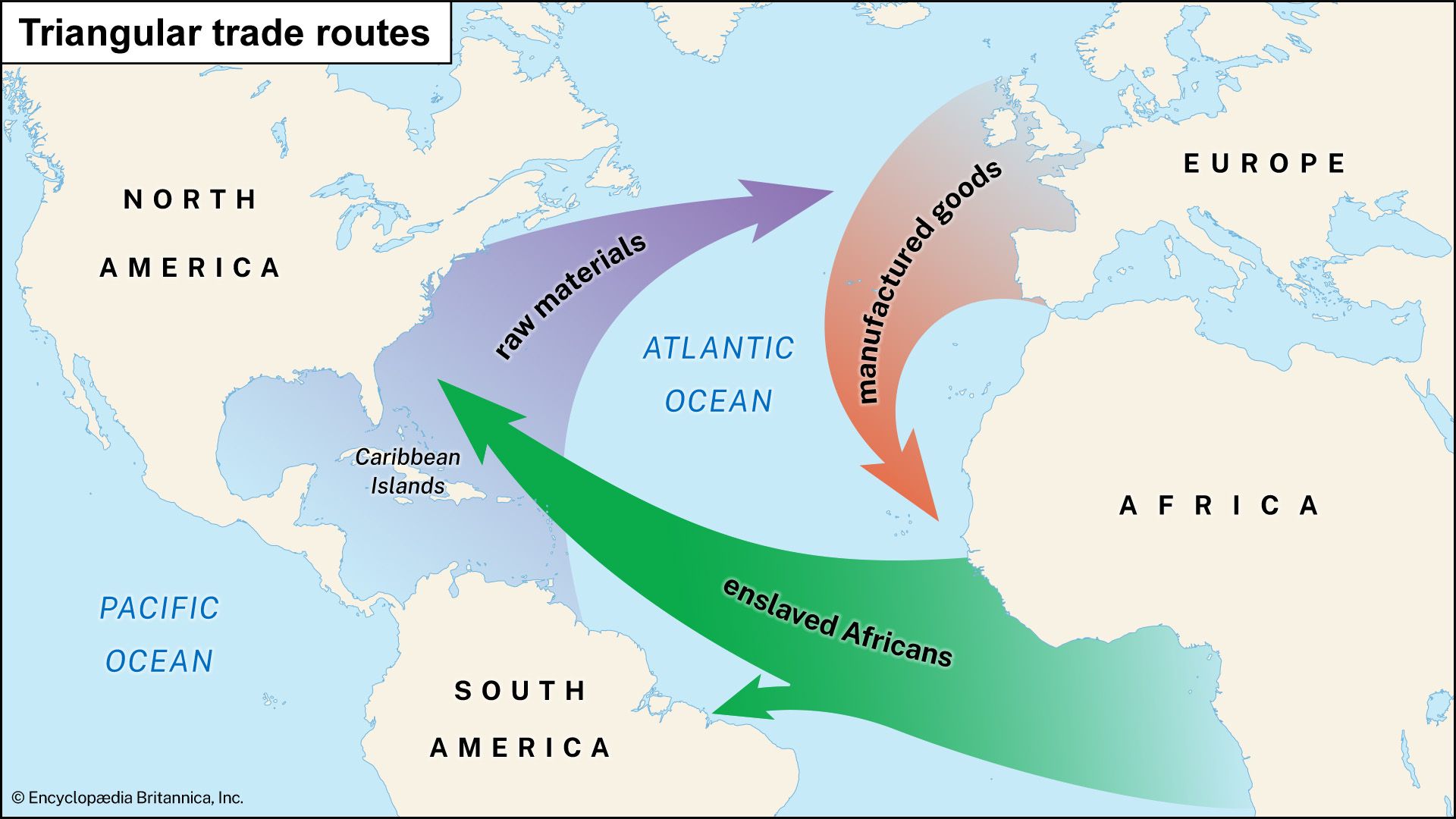
Due to the Trans-Atlantic triangle trade, and chattel slavery with its especially harsh conditions in Haiti, there had long been anger brewing. This, paired with the massive wealth disparity, led to conditions perfect for a revolution.
The Spark
With conditions perfect for a revolt, the inspiring success of the American Revolution, and the start of the French Revolution, the fuse was lit for the bomb that was the Haitian Revolution.